The Great Bathroom Divide: When Modern Meets Traditional
A growing generational divide is emerging in bathroom design preferences, with many boomer homeowners expressing strong dislike for one of today's most popular trends: ultra-minimal wet room bathrooms. According to reports, these stark, clinical spaces are striking older homeowners as more hotel-like than homey, creating tension between what's trendy and what's actually livable.
The "wet look" luxury spa-inspired bathroom, characterized by stark white surfaces and minimal separation, has become a hallmark of contemporary design. However, this aesthetic is increasingly clashing with what many boomer homeowners actually want in their personal spaces.
Why Wet Rooms Feel Too Cold for Comfort
The primary concern among older homeowners centers around the sterile nature of these ultra-minimal designs. According to reports, many boomers find wet rooms lacking the warmth and personality they desire in their homes. The stark white surfaces and clinical appearance can make these spaces feel more like medical facilities than comfortable, personal retreats.
This preference isn't just about aesthetics—it reflects deeper values around what makes a home feel welcoming and functional. Many boomer homeowners prefer bathroom designs that incorporate separation, texture, and classic details that create a sense of warmth and timeless appeal.
The High Stakes of Bathroom Renovations
This generational divide carries significant financial implications, as bathroom remodels remain a high-ROI home upgrade. However, according to reports, trend-driven choices can clash with what older homeowners actually want, potentially affecting both satisfaction and resale value in certain markets.
As multigenerational design and aging-in-place priorities grow in importance, the emphasis is shifting toward solutions that prioritize comfort, warmth, and usability alongside sleek aesthetics. This evolution suggests that the most successful bathroom designs may need to balance contemporary appeal with traditional comfort elements.
Finding Middle Ground: Warm Minimalism
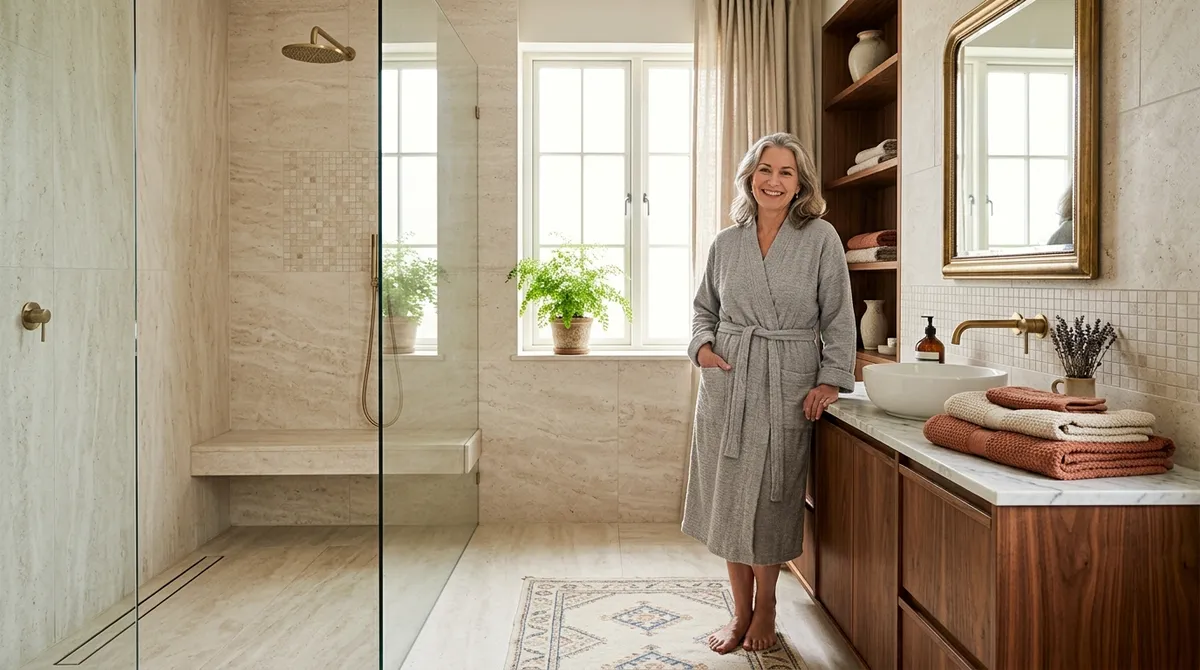
The solution may lie in what designers are calling "warm minimalism"—an approach that maintains modern cleanliness while incorporating elements that prevent spaces from feeling sterile. According to reports, this represents a strong opportunity for creating modern bathroom looks without making the space feel clinical.
This approach focuses on maintaining clean lines and uncluttered spaces while introducing warmer materials, softer color palettes, and thoughtful details that add personality and comfort. The goal is achieving contemporary functionality without sacrificing the homey feeling that many homeowners, particularly boomers, value.
Practical Alternatives and Solutions
For homeowners seeking modern functionality without the stark aesthetic, several alternatives exist. According to reports, wet room alternatives for small bathrooms can provide similar space-saving benefits while maintaining the separation and warmth that many prefer.
Budget-friendly approaches to softening clinical bathroom looks include incorporating natural materials, adding texture through tile choices, and including classic details that stand the test of time. These modifications can transform a stark space into something that feels both contemporary and comfortable.
The Broader Design Conversation
This bathroom trend resistance reflects a broader conversation about whose preferences drive design trends and whether ultra-modern aesthetics truly serve the needs of all homeowners. As the housing market increasingly serves multigenerational families and aging-in-place becomes more common, designers and renovators are recognizing the importance of creating spaces that work for various age groups and lifestyle needs.
The tension between cutting-edge design and practical comfort highlights the importance of considering long-term livability over short-term trendiness. According to reports, boomer-approved bathroom details that add comfort and value are becoming increasingly important considerations in renovation planning.
Looking Forward: Design That Serves Everyone
As the home improvement industry continues to evolve, the focus is shifting toward creating spaces that are both aesthetically pleasing and genuinely functional for their users. This means moving beyond one-size-fits-all design trends toward more nuanced approaches that consider the diverse needs and preferences of different generations.
The wet room debate ultimately illustrates a fundamental question in home design: should our living spaces prioritize visual impact or daily comfort? For many boomer homeowners, the answer clearly favors warmth, functionality, and timeless appeal over stark minimalism—a preference that may increasingly influence mainstream design trends as this demographic continues to represent a significant portion of the renovation market.