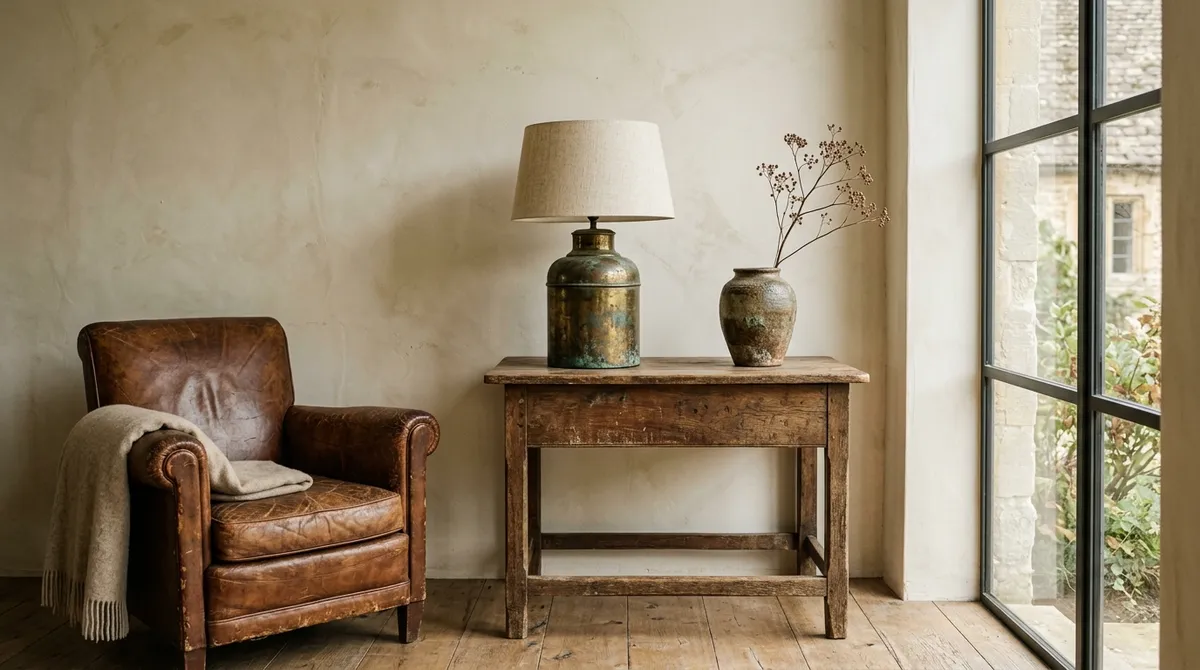
In recent years, the allure of patina has captivated the design world, blending history and aesthetics in a unique way. This fascination with surfaces that tell stories is transforming how we perceive new versus old, giving rise to a trend that celebrates the beauty of age and imperfection. From furniture and architecture to fashion and accessories, patina provides a tangible connection to the past while enhancing the character and depth of objects in our present.
The Timeless Appeal of Patina
Patina refers to the surface changes that occur over time on objects, primarily metals and wood. These changes result from exposure to environmental elements, wear, and human interaction. Unlike surfaces that are polished to perfection, patina embodies the passage of time, revealing a narrative unique to each item. This natural process has become increasingly sought after, as more people appreciate the authenticity and character it brings.
Incorporating Patina in Interior Design
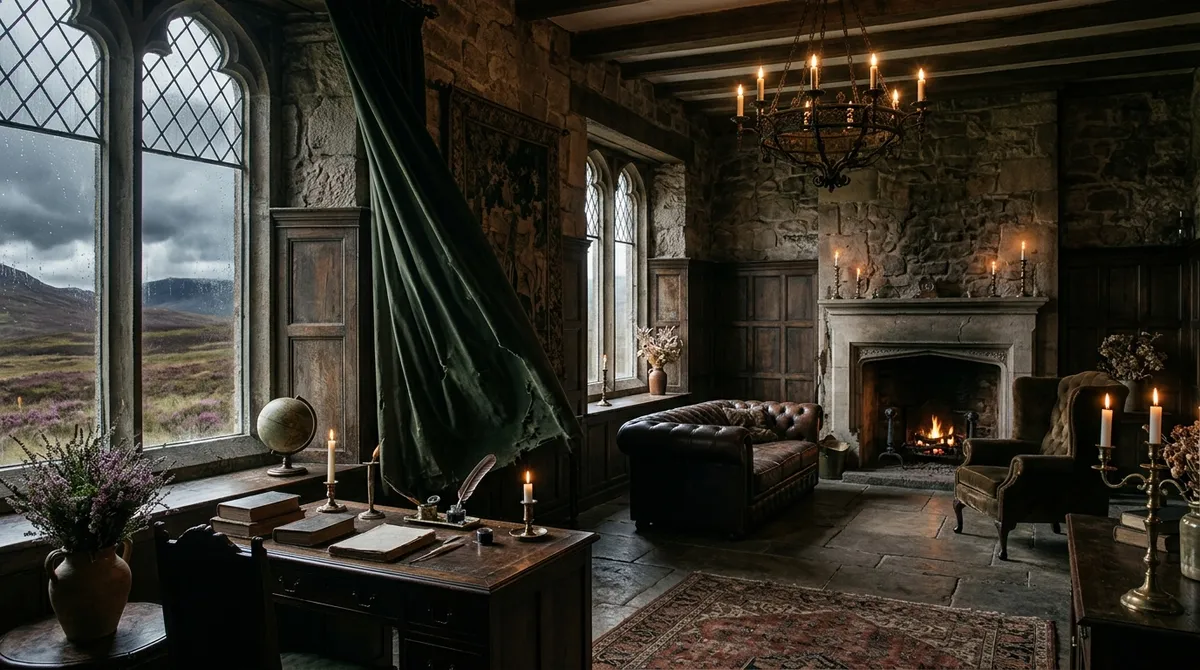
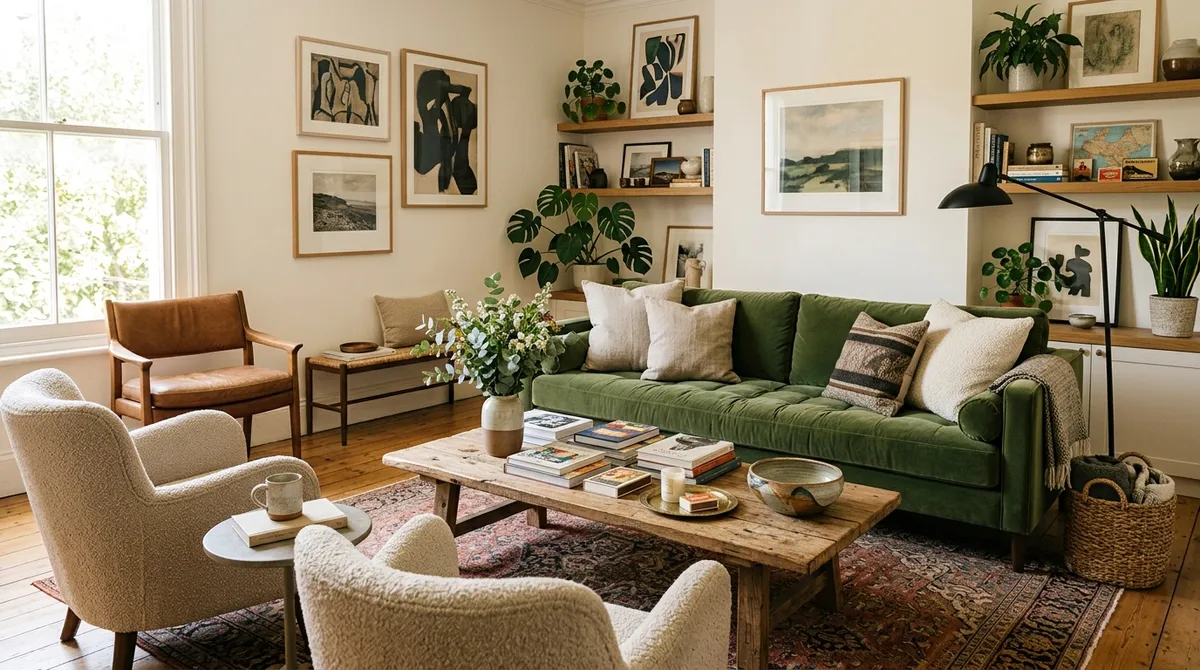
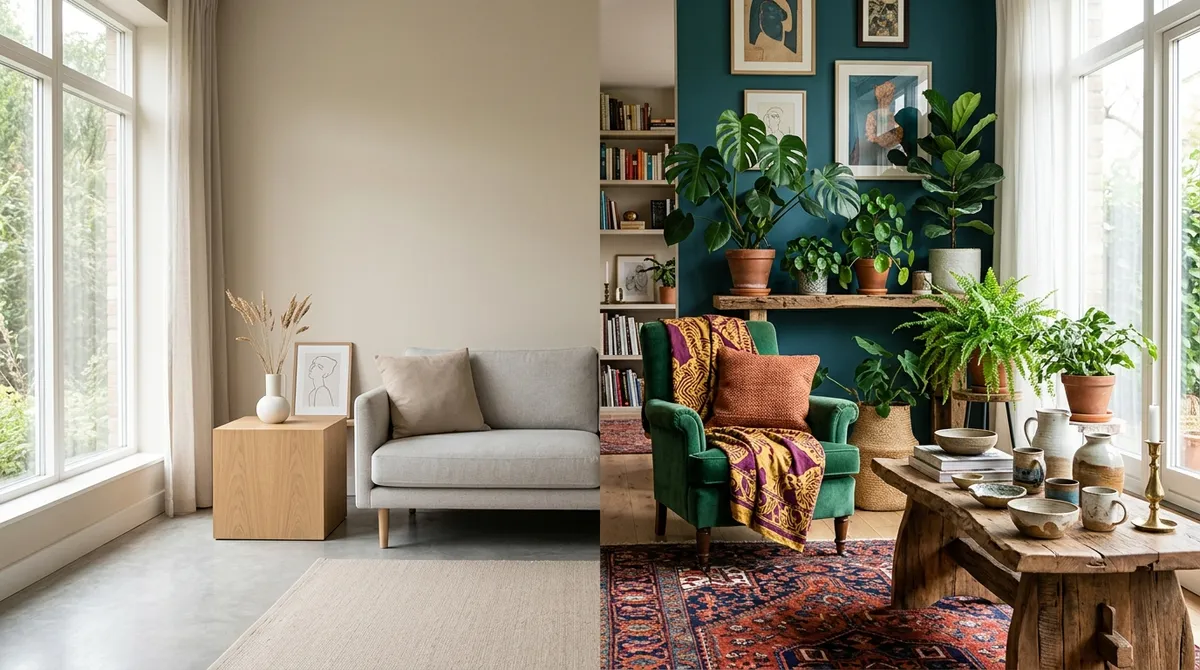
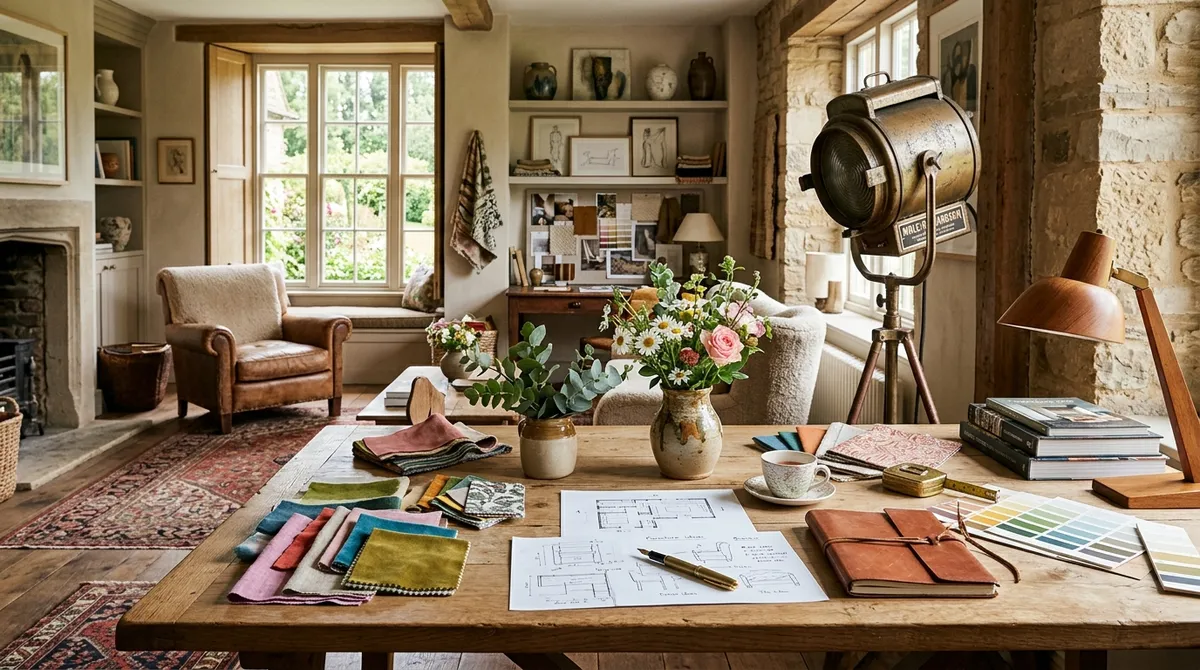
In the realm of interior design, patina is celebrated for its ability to add depth and warmth to spaces. Designers often use it to create a lived-in feel that contrasts with the sleekness of modern minimalist aesthetics. Whether it's a vintage piece of furniture or an antique mirror, the patina can serve as a focal point, infusing rooms with history and texture. The trend towards sustainable and eco-friendly design has also fueled this interest, as repurposing old items reduces waste and honors craftsmanship.
Patina in Modern Architecture
Architects are increasingly incorporating patina into their projects, using materials that develop beautiful aging characteristics over time. Copper roofs and bronze facades, for example, evolve in color and texture, enhancing buildings with a dynamic, ever-changing appearance. This approach not only respects the building's environment but also ensures that structures grow more distinguished with age, blending seamlessly with their surroundings.
Fashion's Love Affair with Patina
Beyond interiors and architecture, the fashion industry has also embraced patina. Leather goods, in particular, are prized for their ability to develop a rich patina through use. High-quality leather jackets, bags, and shoes gain uniqueness over years of wear, making them more valuable and personal to the owner. This trend aligns with the slow fashion movement, which advocates for pieces that withstand trends and become more beautiful with time.
Why We Cherish Patina
The growing obsession with patina can be attributed to a cultural shift towards valuing history and sustainability. In a fast-paced world dominated by technology and disposability, patina offers a sense of continuity and permanence. It reminds us of the beauty in aging and imperfection, encouraging us to embrace rather than erase the past. By choosing items with patina, we connect with previous generations and acknowledge the life stories embedded within them.
Creating Patina in New Items
While natural patina is widely celebrated, there are techniques to accelerate the process for those who desire the look without the wait. Distressing methods, chemical treatments, and creative painting techniques can simulate the appearance of age on newer items. This allows designers and homeowners to enjoy the aesthetic benefits of patina while creating new heirlooms for future generations.
The Future of Patina in Design
As the appreciation for patina continues to grow, its influence on design is likely to expand. The marriage of old-world charm with contemporary innovation will inspire new ways to incorporate patina into everyday life. Whether through upcycled furniture, architectural accents, or fashion staples, patina will remain a testament to the enduring beauty of time and craftsmanship.
In conclusion, patina represents more than just a design trend; it signifies a deeper connection to the past and a commitment to sustainable living. As we continue to embrace imperfections and the stories they tell, patina will undoubtedly remain a cherished element in both our homes and wardrobes.