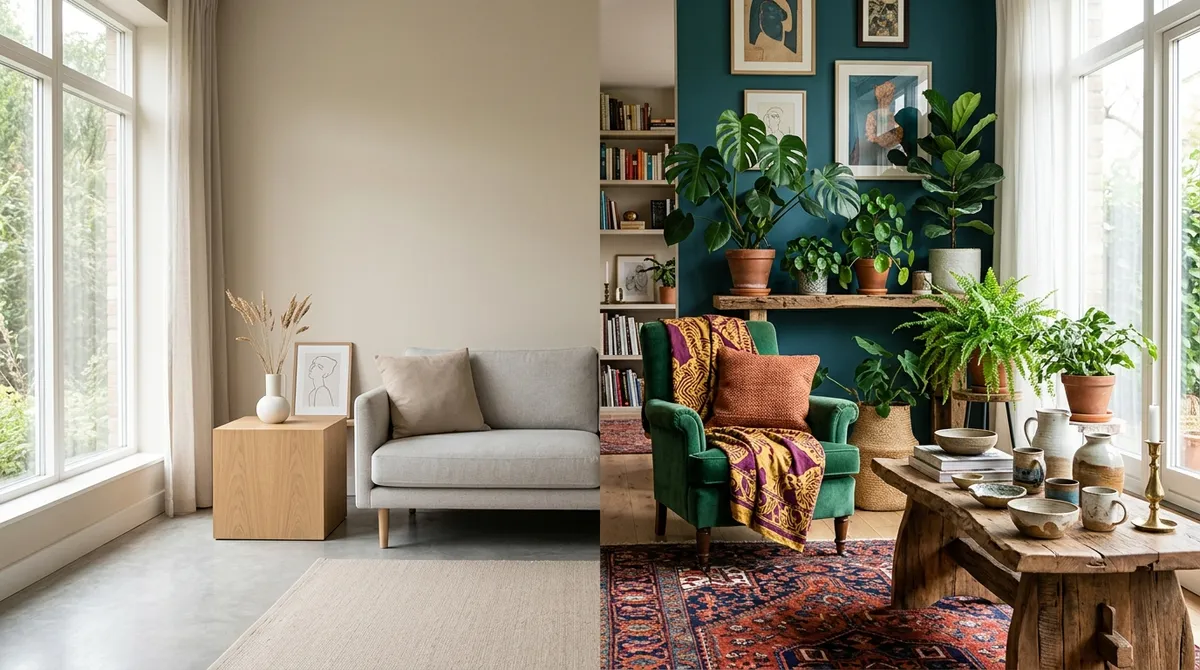
In the ever-evolving world of interior design, staying updated on current trends is crucial for creating a modern and inviting living space. As we look towards 2026, several living room trends are expected to fade, making way for fresh and innovative styles. Whether you're planning a complete makeover or a subtle refresh, knowing which trends to leave behind can help you create a stylish and timeless living area.
Moving Away from Overly Minimalist Designs
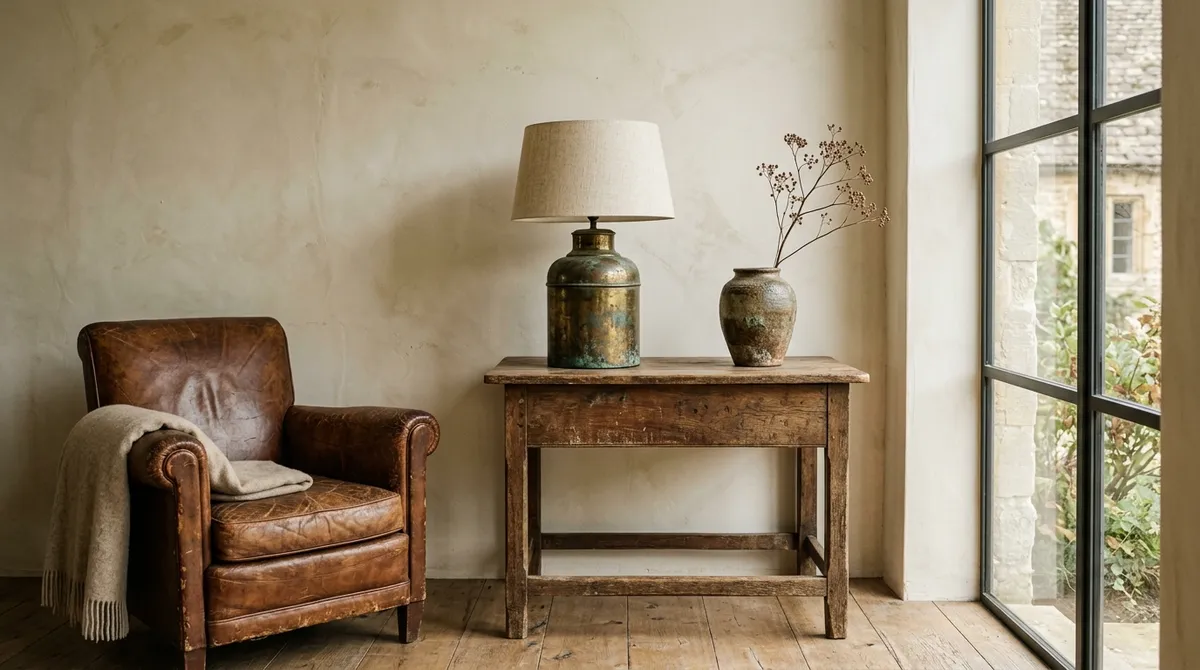
The minimalist trend, characterized by stark simplicity and bare spaces, is gradually losing its appeal. While the clean lines and serene atmosphere of minimalism have been popular, the trend is shifting towards more personalized and eclectic spaces. Homeowners are now favoring living rooms that reflect their personality and lifestyle, incorporating a mix of textures, patterns, and colors to create a cozy and inviting environment.
Goodbye to Open Shelving
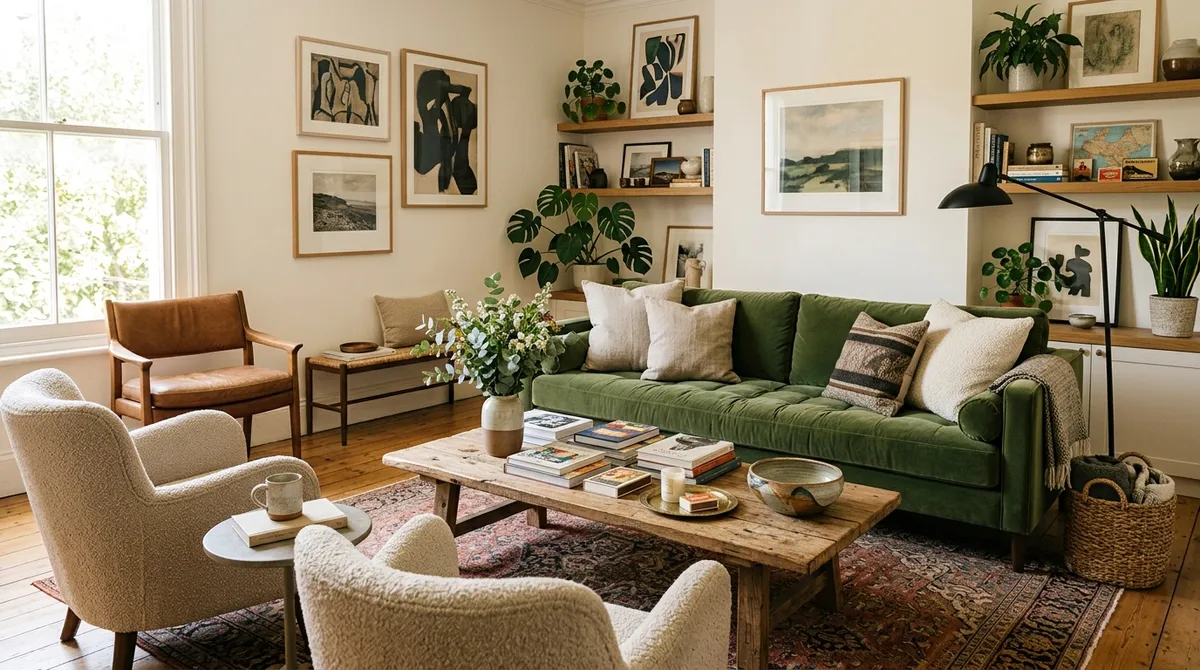
Open shelving has been a staple in interior design, offering easy access and a way to display decorative items. However, this trend is on the decline. The cluttered look that often results from open shelving is becoming less desirable. Instead, concealed storage solutions are gaining popularity, offering a cleaner and more organized aesthetic. This shift allows homeowners to maintain a tidy appearance while keeping personal items neatly tucked away.
Neutral Palettes Make Way for Bold Colors
Neutral color schemes have long dominated living room designs, providing a calming and versatile backdrop. However, 2026 is set to welcome a bold infusion of color. Vibrant hues and rich tones are expected to take center stage, bringing energy and personality into living spaces. This trend encourages experimentation with color combinations, allowing for creative expression and a dynamic atmosphere.
Moving Beyond Monochrome
Monochrome schemes, while elegant and sophisticated, are gradually being replaced by more diverse color palettes. The trend towards incorporating contrasting colors and varied shades adds depth and interest to living rooms. This approach creates a layered and dynamic visual experience, moving away from uniformity and embracing individuality.
Shift from Industrial Elements
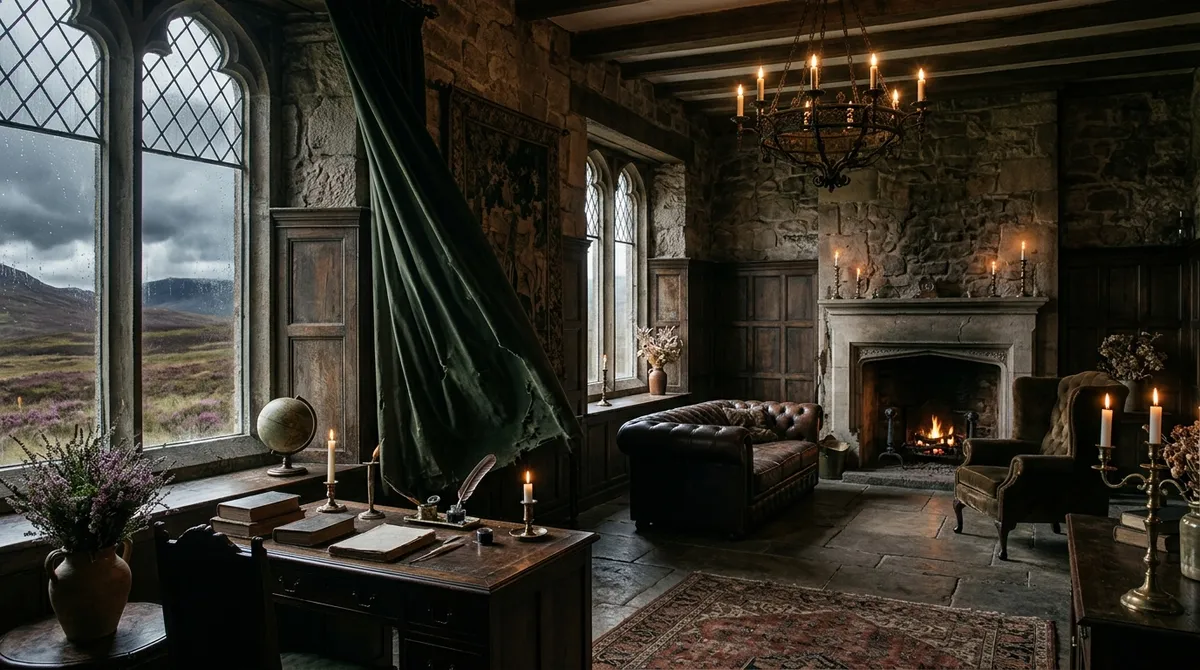
Industrial design, with its raw materials and utilitarian aesthetic, is stepping aside for softer, more organic elements. The focus is shifting towards creating comfortable and warm environments. Incorporating natural materials such as wood, stone, and textiles can achieve this welcoming ambiance. The trend is moving towards spaces that offer a sense of tranquility and comfort, rather than the starkness of industrial design.
Farewell to Matchy-Matchy Furniture
Living rooms in 2026 will see a departure from matching furniture sets. The new approach encourages mixing and matching different styles, textures, and eras to create a unique and personalized space. This eclectic style allows homeowners to express their individuality and creativity, resulting in a more interesting and dynamic living area.
Embracing Sustainability and Eco-Friendly Choices
As environmental awareness continues to grow, sustainable and eco-friendly design choices are becoming more prominent. Using recycled materials, energy-efficient lighting, and sustainable furniture options are not just trends but a reflection of a broader lifestyle change. This shift not only benefits the environment but also adds a meaningful and responsible element to living room designs.
Conclusion
While some living room trends are fading into the past, new and exciting styles are emerging to take their place in 2026. Moving beyond minimalism, embracing bold colors, and focusing on sustainability are just a few ways to update your living space. By staying informed of these evolving trends, you can ensure your living room remains a modern and inviting retreat.