The Rise of Repurposed Kitchen Cabinetry
Interior designers are discovering an innovative approach to adding sophisticated architectural detail throughout the home, according to recent design trends. The secret? Using kitchen cabinets in unexpected spaces far beyond their traditional kitchen setting.
This design strategy involves incorporating kitchen cabinetry elements into various rooms—from bathrooms to dining rooms to media rooms—as a way to create visual interest and architectural depth without the expense of custom built-ins.
Where Kitchen Cabinets Work Best
According to reports, designers are successfully integrating kitchen cabinets into seven key areas throughout the home:
Formal Sitting Rooms benefit from the structured storage and visual weight that cabinetry provides, creating focal points that ground the space.
Entry Areas can be transformed with cabinet elements that serve as both functional storage and an impressive first impression for guests.
Mudrooms naturally accommodate kitchen cabinet solutions, where the durability and organization features translate perfectly to this high-traffic area.
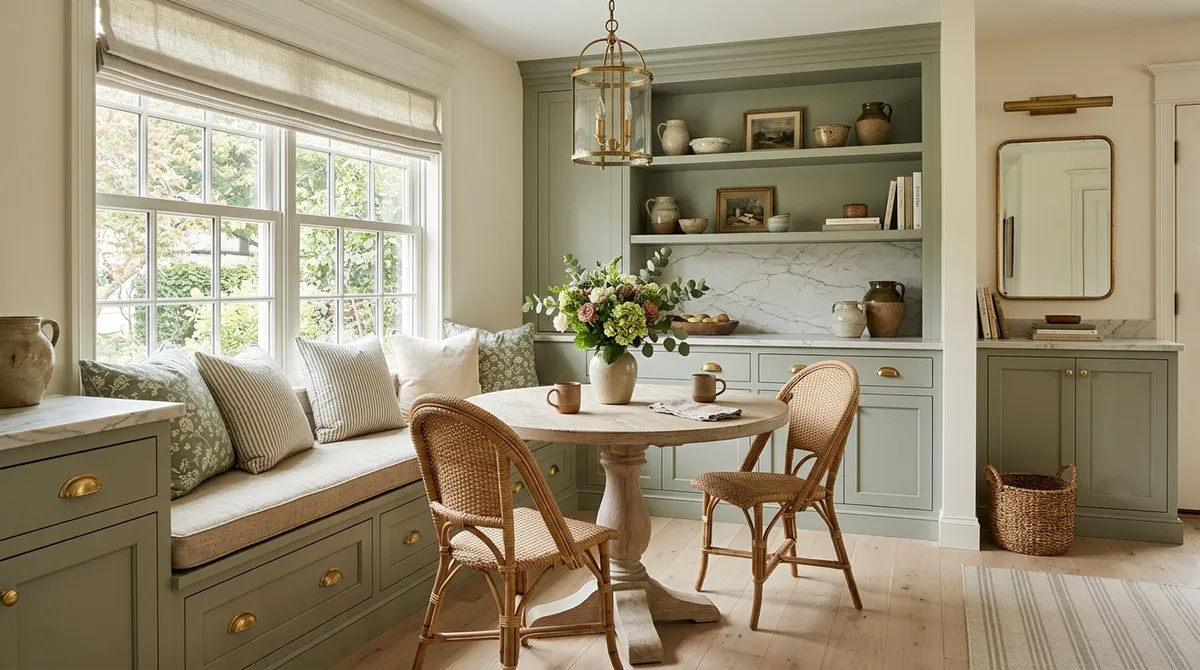
Banquette Dining areas gain both seating and storage when kitchen cabinets form the base structure for built-in dining nooks.
Billiard Rooms and entertainment spaces use cabinetry to house equipment while maintaining the room's sophisticated aesthetic.
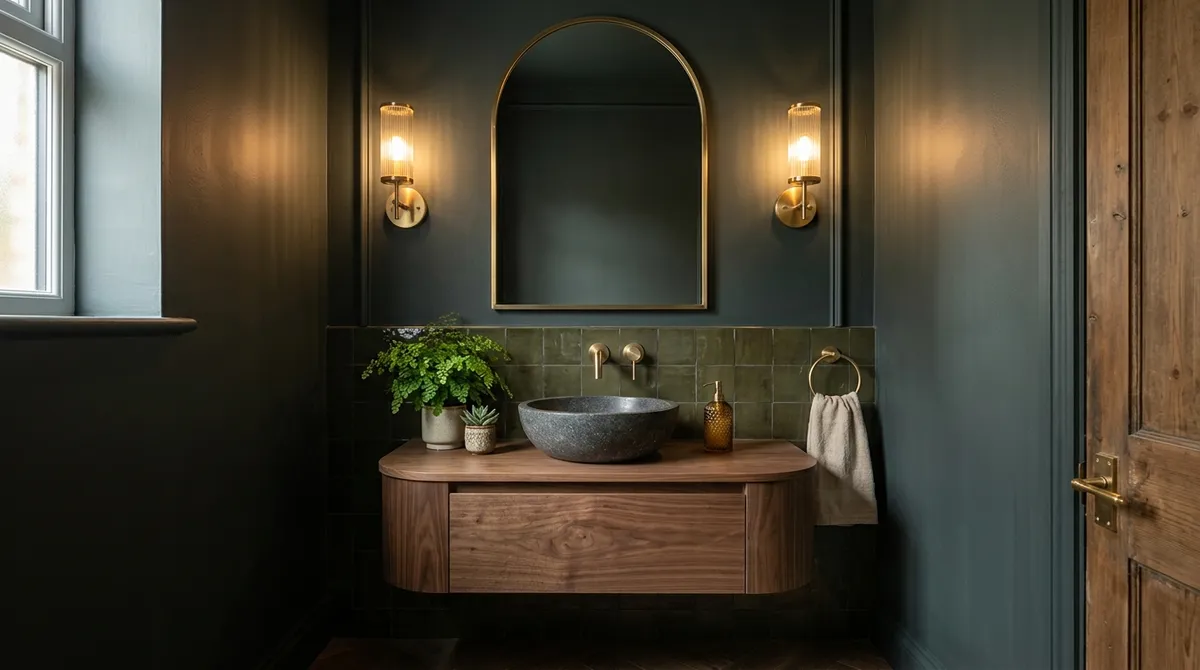
Bathrooms are seeing increased use of kitchen cabinet elements for vanities and storage solutions that offer more style options than traditional bathroom cabinetry.
Bay Window Seating areas benefit from the structural support and storage capacity that kitchen cabinets provide as a foundation for window seat installations.
Why This Trend Matters Now
The shift toward this design approach reflects broader changes in home design preferences. According to reports, current trends are moving toward maximalist, layered interiors where architectural details play a crucial role in creating visual sophistication.
This timing makes repurposed kitchen cabinetry particularly appealing as an accessible way for homeowners to elevate their spaces without undertaking major renovations or investing in expensive custom work.
Making Kitchen Cabinets Work in New Spaces
The key to successfully implementing this design trick lies in making the cabinetry feel intentional rather than out-of-place. According to design experts, this involves several specific techniques:
Hardware swaps can dramatically change the character of standard kitchen cabinets, allowing them to blend seamlessly with different room aesthetics.
Door profile modifications help kitchen cabinets adapt to various design styles, from traditional to contemporary.
Strategic paint color choices ensure the cabinetry complements the existing room palette rather than looking like a kitchen transplant.
Budget-Friendly Design Solution
This approach offers significant cost advantages for homeowners looking to add architectural interest to their spaces. Rather than commissioning expensive custom built-ins, repurposing kitchen cabinet elements provides similar visual impact at a fraction of the cost.
The strategy is particularly effective for homeowners who want to create the look of custom millwork without the associated time and expense. Kitchen cabinets offer the structural integrity and finish quality needed for built-in applications while remaining accessible to DIY-minded homeowners.
Implementation Considerations
Successful execution of this design trend requires careful planning to avoid common mistakes. The cabinets must be properly scaled for their new environment and styled appropriately to feel cohesive with the room's overall design.
Proper installation techniques ensure that repurposed kitchen cabinets maintain their structural integrity while serving new functions in different environments.
The Future of Flexible Design
This trend toward repurposing kitchen cabinetry represents a broader movement in interior design toward flexible, creative solutions that maximize both function and style. As homeowners seek ways to personalize their spaces while managing renovation budgets, creative applications of traditional elements like kitchen cabinets offer promising possibilities for unique, sophisticated interiors.