As the world of interior design continuously evolves, certain modern home design trends have sparked a mix of admiration and aversion among homeowners and designers alike. While some styles capture the essence of contemporary elegance, others leave much to be desired, prompting a reevaluation of their place in our living spaces.
Open Floor Plans: A Love-Hate Relationship
Open floor plans have long been a staple of modern homes, celebrated for creating spacious and airy environments. However, this design trend is not without its critics. Many find the lack of defined spaces can lead to issues with noise and privacy, making it less desirable for those who value quiet and personal space. While open floor plans foster connectivity and ease of movement, they may not meet the needs of every household.
The Dilemma of Minimalist Design
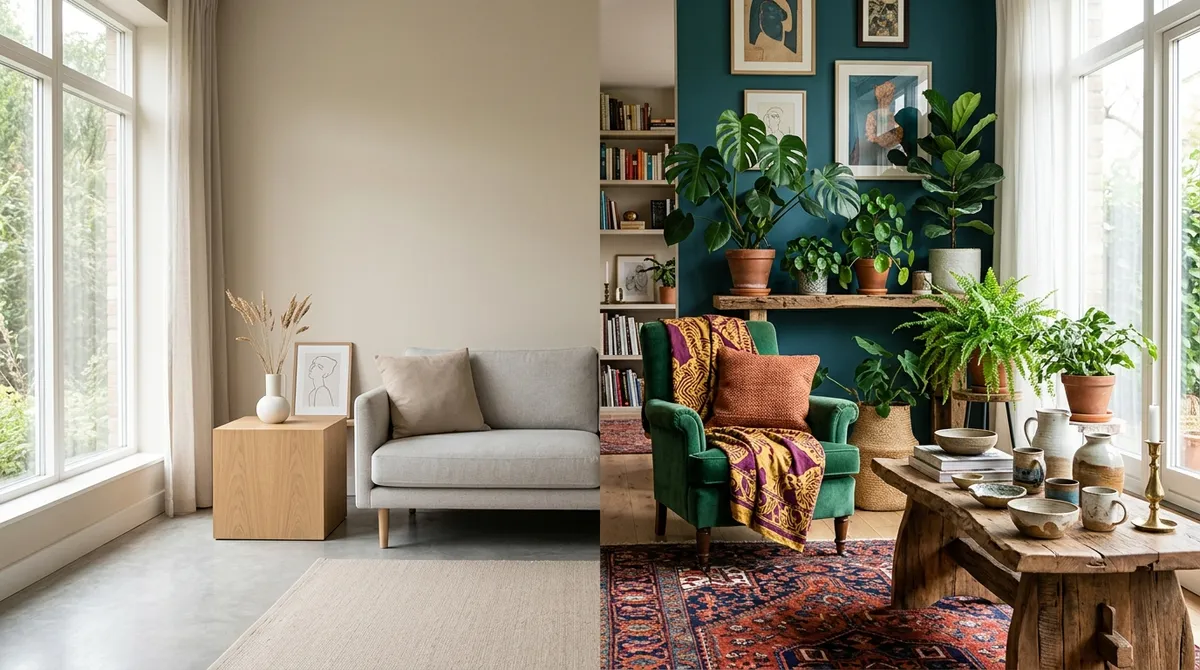
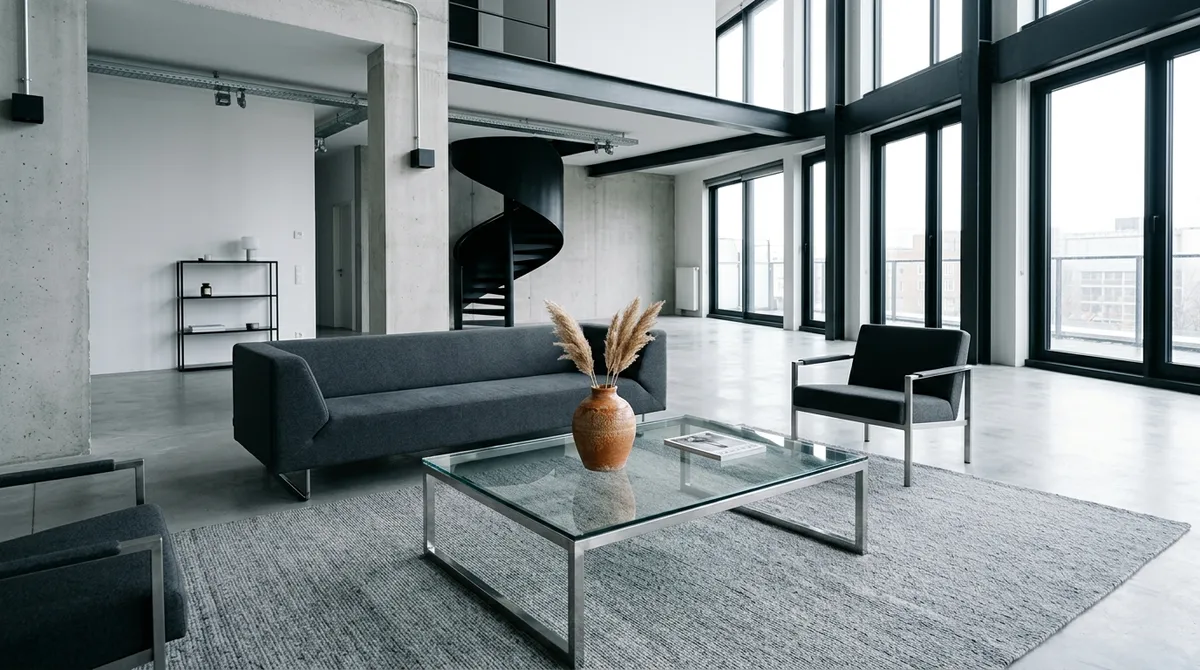
Minimalism, characterized by clean lines and uncluttered spaces, has been a dominant trend in modern design. Yet, some argue that its stark simplicity can make interiors feel cold and unwelcoming. Rather than exuding warmth and personality, minimalist spaces might seem impersonal, lacking the unique touches that reflect the homeowner's character. Balancing minimalism with elements of warmth and individuality remains a challenge for designers.
Neutral Color Palettes: Timeless or Tired?
Neutral color palettes are often praised for their versatility and timeless appeal. However, the overuse of whites, grays, and beiges can lead to bland and uninspiring interiors. Critics argue that these muted tones may stifle creativity and fail to reflect the dynamism of a vibrant home. Incorporating accents of bold colors or textures can break the monotony and invigorate these spaces.
Industrial Elements: A Mixed Reception
The industrial design trend, with its exposed brick, metal fixtures, and utilitarian style, has seen widespread adoption. While some appreciate its raw and edgy aesthetic, others feel it can be too harsh and unrefined for comfortable living environments. The challenge lies in striking a balance between industrial elements and softer touches that ensure a cozy and inviting home.
The Impact of Technology on Design
With the rise of smart home technology, integrating gadgets and devices into home design has become increasingly common. While technology enhances convenience and efficiency, excessive tech integration can sometimes overshadow the essence of homey living. Ensuring that technology complements rather than dominates the design is essential to maintaining a harmonious living space.
Conclusion: Personalization as the Key
Ultimately, the key to successful modern home design lies in personalization. While trends come and go, creating a space that reflects individual preferences and needs is timeless. By balancing popular design elements with personal touches, homeowners can create environments that are both stylish and functional, ensuring their home remains a sanctuary of comfort and expression.