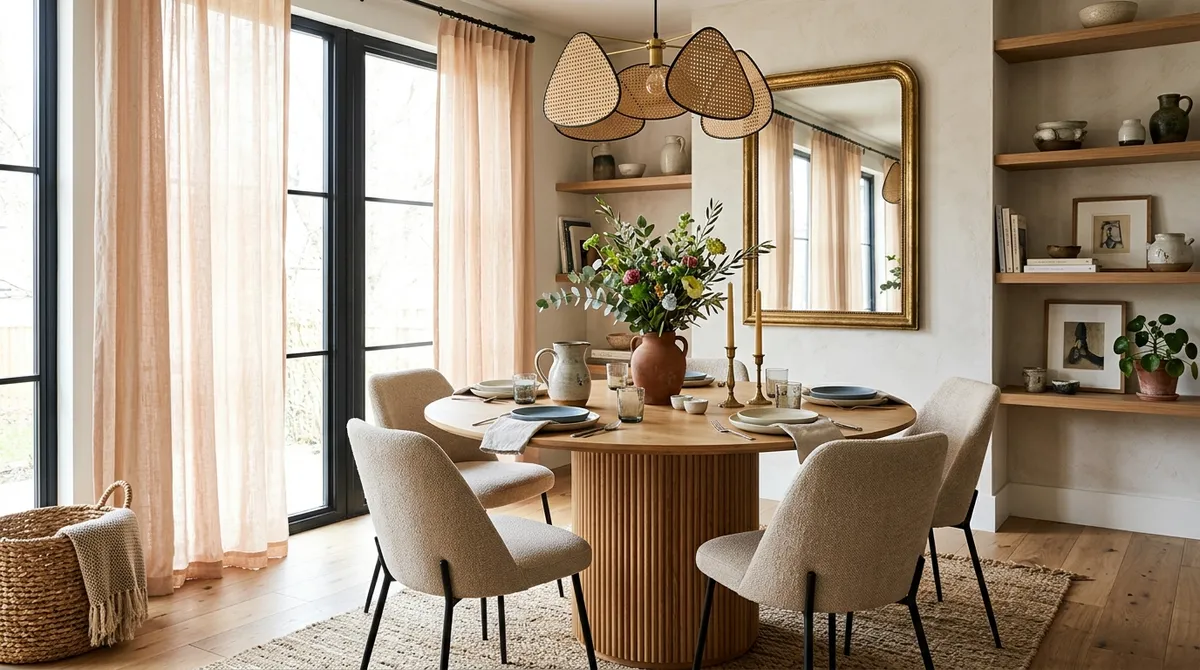
Formal Dining Rooms Are Making a Comeback
According to reports, formal dining rooms are experiencing a renaissance in 2026 — but not in the way homeowners might expect. Emerging trends are reshaping how people think about these traditionally underutilized spaces, making dining areas feel more expressive and practical than ever before.
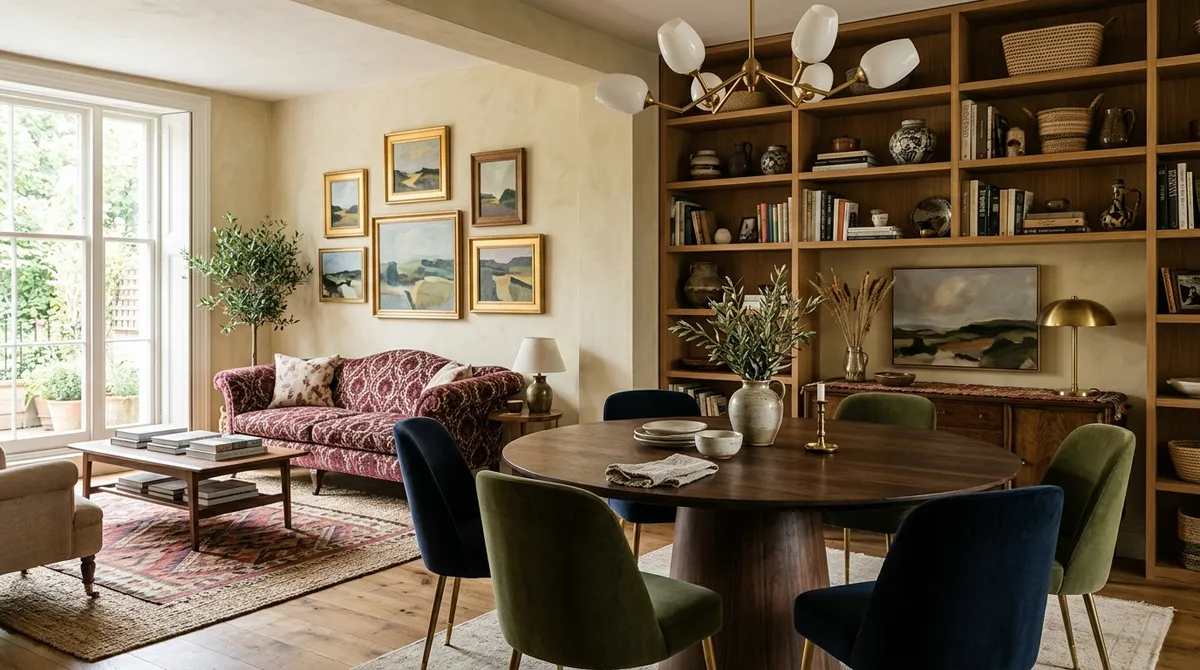
As homes continue to serve multiple lifestyle functions, homeowners are rethinking rooms that have sat unused and transforming them into spaces that feel both essential and current. The formal dining room, once relegated to special occasions only, is being reimagined as a more lived-in, intentional space.
Why Dining Rooms Matter Again
The shift toward more purposeful home design has prompted homeowners to reconsider every square foot of their living spaces. According to reports, people are making dining areas feel more expressive and practical, moving away from the stiff formality that once defined these rooms.
This trend represents a broader movement in home design where functionality meets style. Rather than maintaining spaces that only see use during holidays, homeowners are creating dining environments that enhance daily life and entertaining experiences.
Modern Updates Without Major Renovation
One of the most appealing aspects of the 2026 dining room trend is that significant updates can be achieved without a complete overhaul. According to reports, modernizing a dining room can be accomplished through strategic styling swaps, color updates, lighting changes, and thoughtful furniture choices.
This approach allows homeowners to transform their spaces gradually and affordably. Rather than undertaking expensive renovations, simple changes can bring a dated dining room into the current design moment while maintaining the room's essential character.
Elevating the Entertainment Experience
The emerging trends focus heavily on making entertaining feel more elevated and intentional. According to reports, the new approach to dining room design considers how these spaces can enhance social experiences and create memorable moments for both family meals and guest entertainment.
This shift represents a move away from precious, untouchable dining rooms toward spaces that invite regular use while still maintaining a sense of occasion and sophistication.
Making Unused Spaces Essential
Perhaps the most significant aspect of these 2026 trends is their focus on transforming unused dining rooms into spaces that feel essential to daily life. According to reports, the goal is to create environments that serve the homeowner's actual lifestyle while maintaining the dignity and purpose of a dedicated dining area.
This transformation involves reimagining not just the aesthetic elements of the room, but also how the space functions within the broader context of modern living. The trends emphasize creating dining rooms that feel integrated with contemporary lifestyles rather than separate from them.
The Design-Forward Approach
According to reports, design-forward creators are capitalizing on early-year trend curiosity around what's considered current for 2026 interiors. This timing allows homeowners to stay ahead of design curves while implementing changes that will feel fresh and relevant throughout the year.
The emphasis on being design-forward suggests that these dining room updates aren't just about following trends, but about creating spaces that reflect thoughtful, intentional design choices that will remain appealing as the year progresses.
A New Definition of Formal
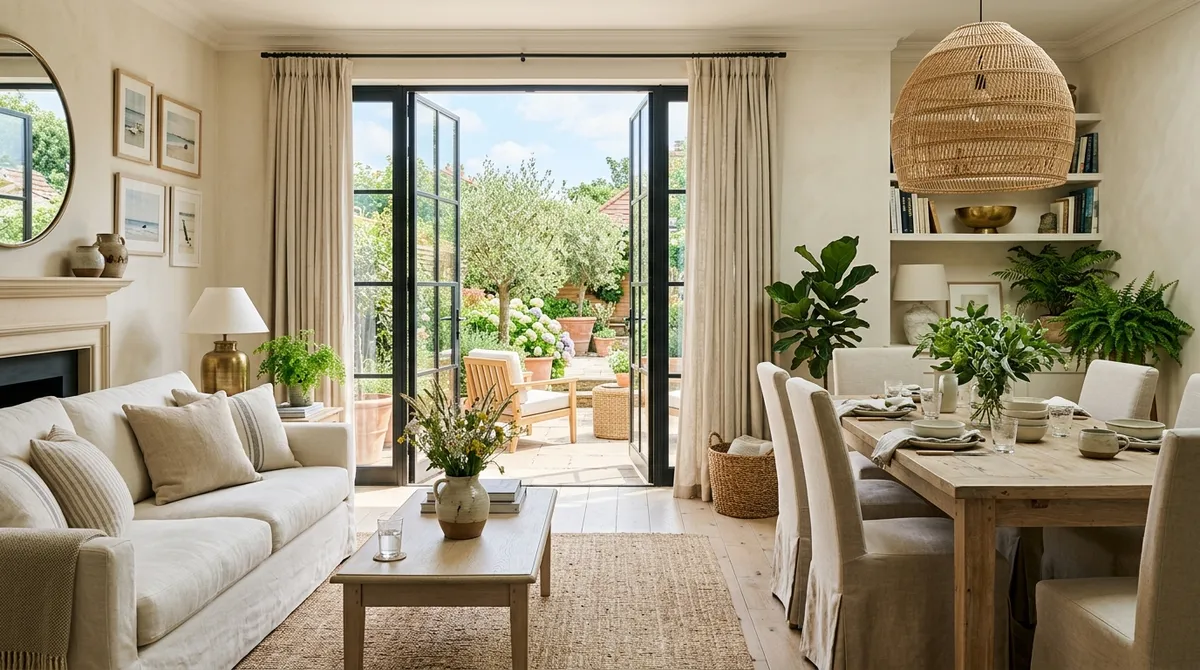
The 2026 dining room trends represent a fundamental shift in how we define "formal" spaces. Rather than maintaining rooms that feel separate from daily life, the new approach creates spaces that are both elevated and accessible, sophisticated yet comfortable.
This evolution reflects broader changes in how people live and entertain, emphasizing authenticity and functionality alongside beauty and style. The result is dining rooms that serve as true gathering spaces rather than showpieces that rarely see use.