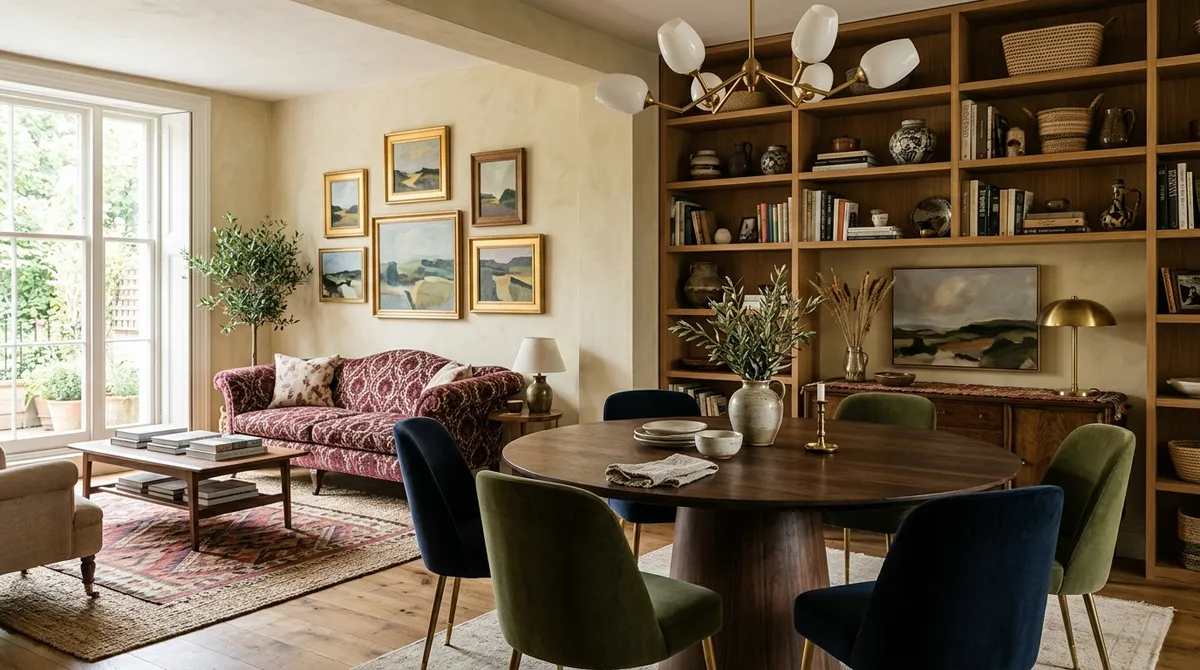
Bringing Adventure Home Through Thoughtful Design
According to reports, a recent home interior refresh showcases how homeowners can successfully translate their love of travel and adventure into elevated living spaces. The reimagined rooms demonstrate that travel-inspired design continues to resonate with those seeking personal, story-driven interiors that feel authentically collected rather than generically decorated.
The Appeal of Travel-Inspired Interiors
Travel-inspired design represents more than just decorative choices—it reflects a desire for spaces that tell personal stories. According to the coverage, homeowners are increasingly drawn to interiors that capture their adventurous spirit and create meaningful connections to their experiences.
This approach to home design offers an alternative to cookie-cutter decorating schemes by incorporating elements that speak to individual journeys and discoveries. The key lies in creating spaces that feel curated over time rather than purchased all at once.
Crafting Collected Spaces vs. Souvenir Display
One of the primary challenges in travel-inspired design involves distinguishing between thoughtfully collected interiors and cluttered souvenir displays. According to reports, successful travel-themed rooms avoid the pitfall of appearing overly themed by focusing on elevated design principles rather than literal representations.
The difference lies in selecting pieces that complement the overall aesthetic while telling a story. This might mean choosing one statement piece from a memorable trip rather than displaying every souvenir collected along the way. The goal is creating a sophisticated space that hints at adventure without overwhelming the senses.
Color and Texture Inspiration from Adventures
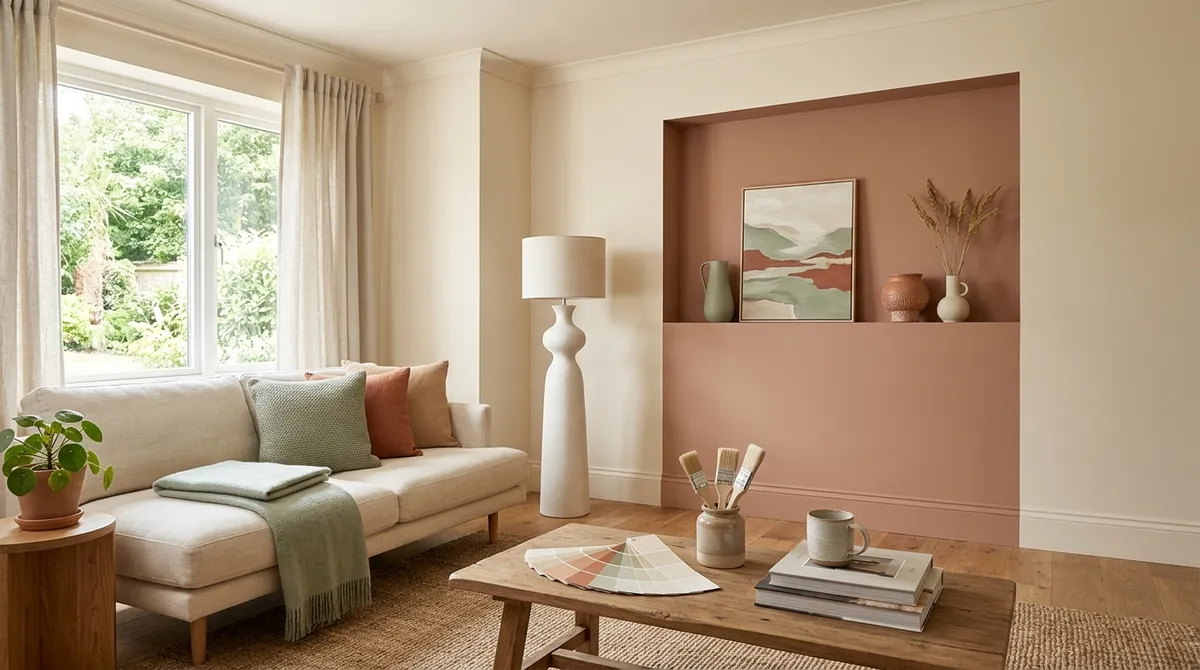
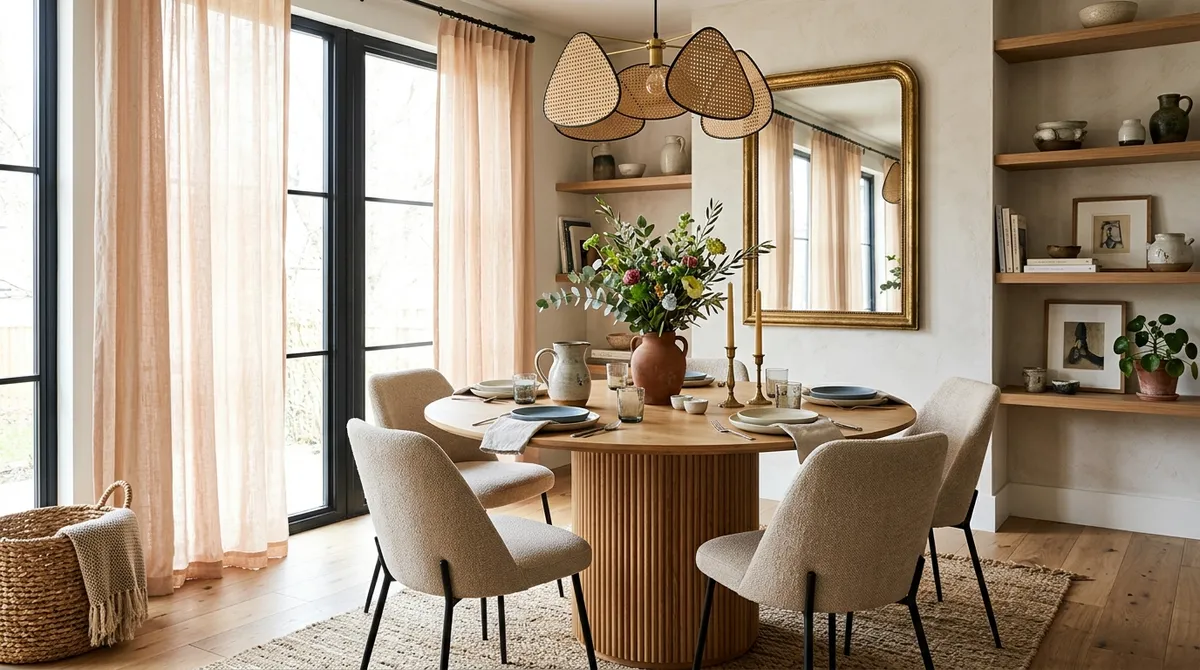
Travel experiences offer rich inspiration for color palettes and texture combinations that can transform ordinary rooms into spaces with depth and character. According to the coverage, adventure-inspired design elements can introduce unexpected combinations that reflect diverse cultural influences and natural landscapes encountered during travels.
These color and texture choices might draw from sunset hues witnessed on a Mediterranean coast, the rich earth tones of a desert landscape, or the cool blues and grays of mountain vistas. The key is translating these memories into cohesive design elements that enhance rather than dominate the space.
Transforming Personal History into Home Style
The most successful travel-inspired interiors excel at weaving personal history into home style in subtle yet meaningful ways. According to reports, this approach involves more than simply displaying travel photographs or maps—it requires a thoughtful integration of experiences into the fabric of the home's design.
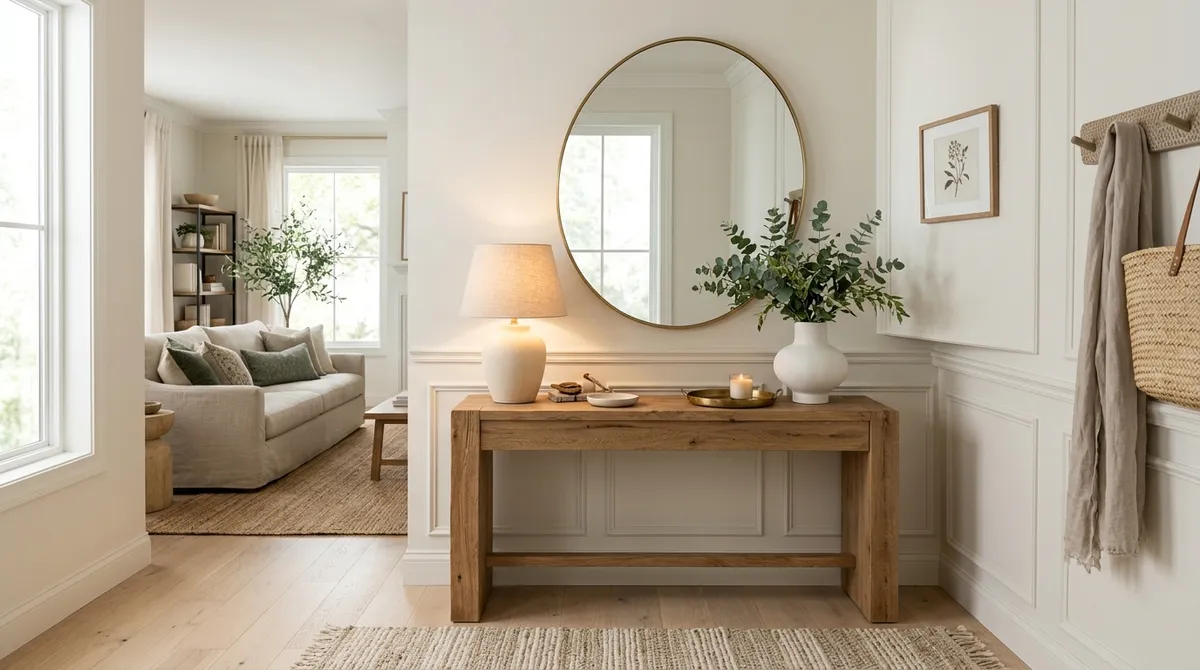
This might involve incorporating architectural elements inspired by admired buildings, using textiles that echo fabrics discovered in local markets, or selecting furniture pieces that remind homeowners of comfortable spaces encountered during their travels. The result is a home that feels uniquely personal while maintaining broad appeal.
Creating Narrative Through Design Elements
Effective travel-inspired design creates narrative threads throughout the home without relying on obvious tourist memorabilia. According to the coverage, rooms that successfully capture adventurous spirit often feature carefully selected pieces that reference travels without explicitly announcing them.
This subtle approach allows guests to discover stories organically while ensuring the space feels livable and sophisticated. It's about creating layers of meaning that reward closer inspection while maintaining visual harmony.
Practical Applications for Any Home
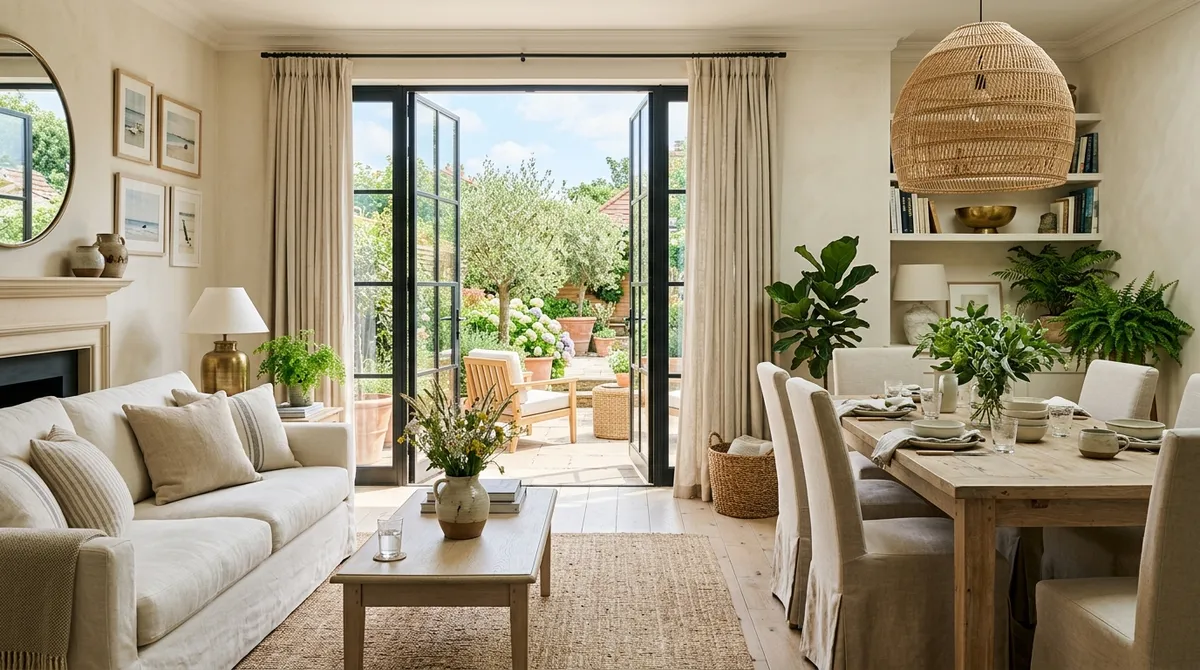
The principles behind travel-inspired design can be applied regardless of budget or travel experience. According to reports, the approach focuses on creating personal, story-driven spaces that feel collected over time—a goal achievable through thoughtful curation rather than expensive purchases.
Homeowners can start by identifying colors, textures, or architectural details that resonate with them, whether from personal travels or aspirational destinations. The key is building a cohesive vision that incorporates these elements without overwhelming the practical functions of daily life.
This design approach offers a refreshing alternative to generic decorating schemes by prioritizing personal meaning and authentic expression over trending styles or mass-produced aesthetics.